How to experience Sri Lanka's ancient heartland at the right pace.
The Cultural Triangle is the ancient heartland of Sri Lanka — a rough geographic triangle drawn between Anuradhapura, Polonnaruwa and Kandy, containing five UNESCO World Heritage Sites and more than two thousand years of continuous Buddhist civilisation. For most travelers it forms the first great chapter of a Sri Lanka journey, and it deserves at least four unhurried nights.
The Oldest Capital
Anuradhapura is a vast, still, quietly moving place, dominated by the Sri Maha Bodhi — the world's oldest documented tree, grown from a cutting of the tree under which the Buddha is said to have attained enlightenment — and the great white stupas of Ruwanwelisaya, Jetavanaramaya and Abhayagiri. It rewards a slow visit, ideally by private bicycle in the cool of early morning, with a scholar-guide able to bring the ruins to life.
The Medieval Capital
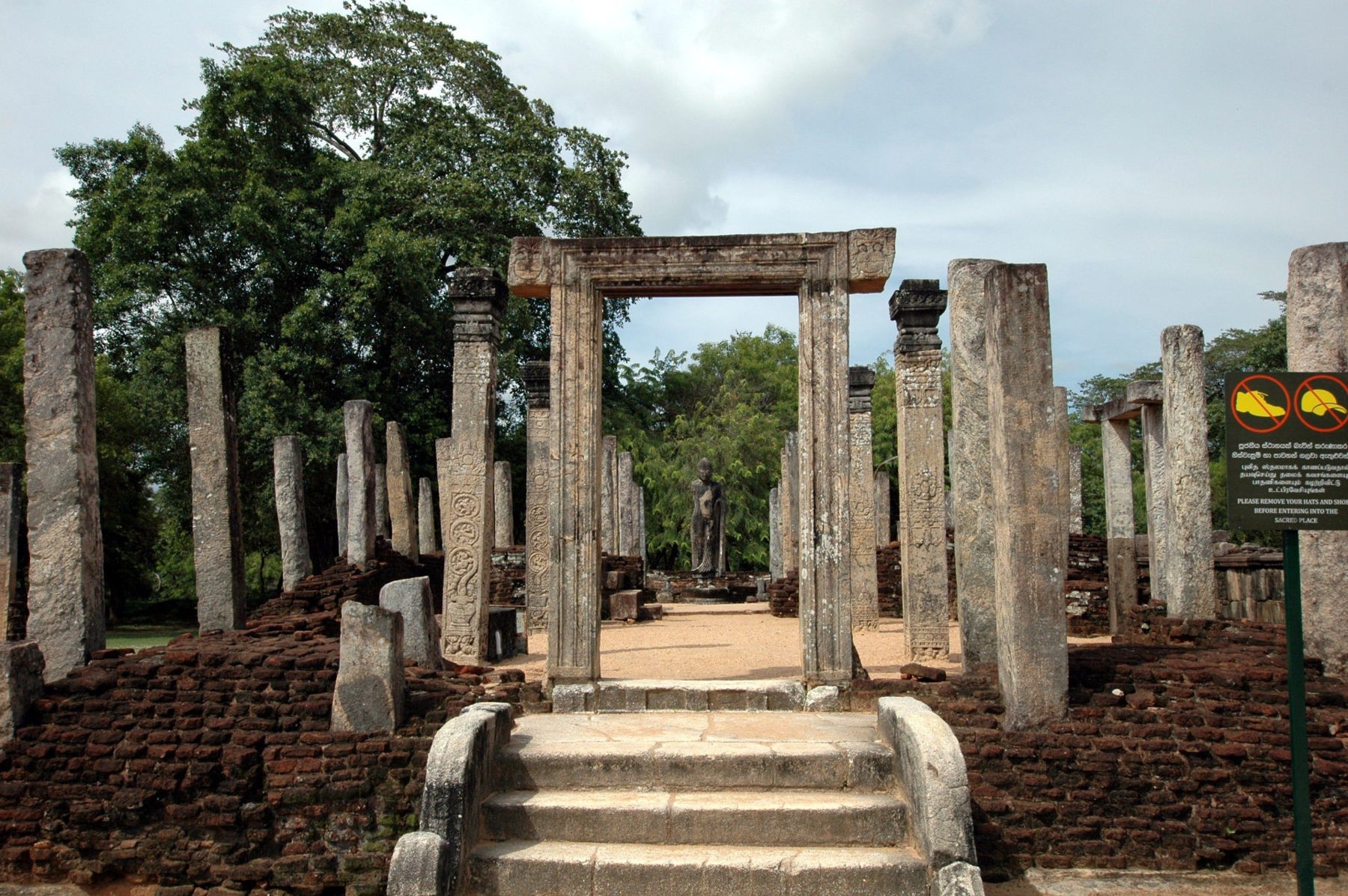
Polonnaruwa, more compact and better preserved, is beautifully suited to cycling. The Gal Vihara Buddha statues alone justify the drive, carved directly from a single granite outcrop with a serenity that photographs describe better than words.
The Theatrical Centrepiece
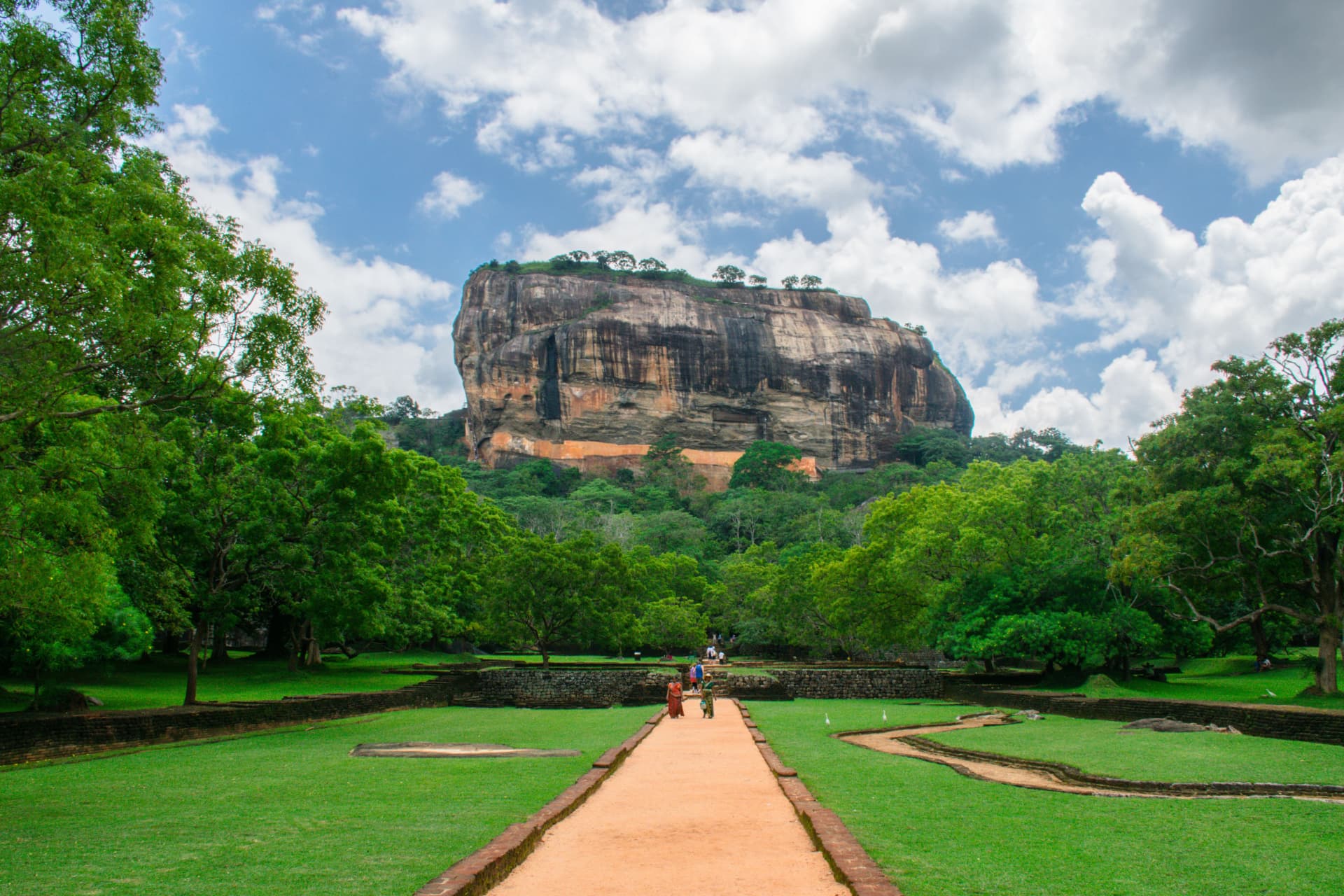
Sigiriya is the region's dramatic focal point — a lion-fortress rock rising sheer from the surrounding plain, best climbed at dawn or, for those who prefer to look rather than climb, photographed from the neighbouring Pidurangala rock. Nearby, Dambulla's Golden Cave Temples offer a quieter but equally striking complement.
The Southern Anchor
Kandy sits at the triangle's southern point — the last royal capital of Sri Lanka, home to the Temple of the Sacred Tooth Relic and its beautiful evening puja ceremony.
Pacing the Region
- Three nights based in Sigiriya for the ancient sites and the rock itself
- One night in Kandy for the temple and the lake
- A private bicycle or car for unhurried movement between sites
- Longer, if your schedule allows — this is not a chapter to rush
If the Cultural Triangle features in your plans, we would be glad to help shape the pacing and hotels around it.
Working With a Scholar-Guide
The difference between a standard guide and a genuine scholar-guide becomes obvious within the first half hour at Anuradhapura or Polonnaruwa — the latter can place a single carving within centuries of political and religious history, turning a pile of ancient stone into a legible story. For travelers with a serious interest in history, this upgrade is worth requesting specifically.
Practical Notes for the Sites
Modest dress is required at all religious sites, shoes must be removed at temple entrances, and stone surfaces can be extremely hot underfoot by mid-morning — a pair of thin socks carried in a daypack solves this small but common discomfort.
Common Mistakes Travelers Make in the Triangle
The most frequent error is attempting all four major sites — Anuradhapura, Polonnaruwa, Sigiriya and Kandy — within three nights, which forces rushed mornings and long, tiring drives between sites that deserve to be experienced calmly. A second common mistake is climbing Sigiriya in the heat of late morning rather than at dawn, when both the light and the temperature are far more forgiving; the rock offers almost no shade once the sun is fully up.
Seasonal Nuance for the Region
The Cultural Triangle sits in Sri Lanka's dry zone and receives noticeably less rainfall overall than the west or south coasts, making it a viable destination for much of the year. That said, the driest and most comfortable months for extended time outdoors among the ruins fall between May and September, when temperatures are high but rainfall is at its lowest — a useful counterpoint for travelers whose coastal dates fall in the wetter south-west monsoon season.
What a Private Itinerary Changes Here
Beyond the scholar-guide upgrade already mentioned, a private itinerary allows the order of sites to be reversed or rearranged around actual conditions on a given day — visiting Polonnaruwa's more exposed ruins in the cooler early morning and reserving Dambulla's shaded cave temples for the hotter midday hours, for instance. This kind of real-time sequencing, invisible on a printed itinerary, is often what separates a comfortable few days in the Triangle from an exhausting one.