What it's actually like to sleep beside the wild in Yala.
A night in a luxury tented camp on the fringes of Yala is one of the most memorable stays in Sri Lanka. Its pleasure lies precisely in the contrast — canvas walls between you and the wild, hot showers and candlelit dinners within, and the small nocturnal sounds of the bush only an arm's length from your bed.
What Makes a Camp 'Properly' Tented
The finest camps in Sri Lanka take their cue from East African safari tradition rather than a modern glamping trend. Expect king beds on raised hardwood platforms, en-suite bathrooms with proper hot water, wraparound decks facing the bush, and an overall sense of quiet, effortless luxury rather than novelty for its own sake.
An Evening in Camp
Meals are typically taken communally around a fire pit, often with the camp's resident naturalist joining guests to talk through the day's sightings and plan the next. There is a particular pleasure in dining under open sky with genuinely wild country just beyond the firelight — a mood no conventional hotel quite replicates.
The Rhythm of a Day
- An evening arrival, drinks at sundown and a long, unhurried dinner
- A pre-dawn wake-up call with fresh coffee delivered to your tent
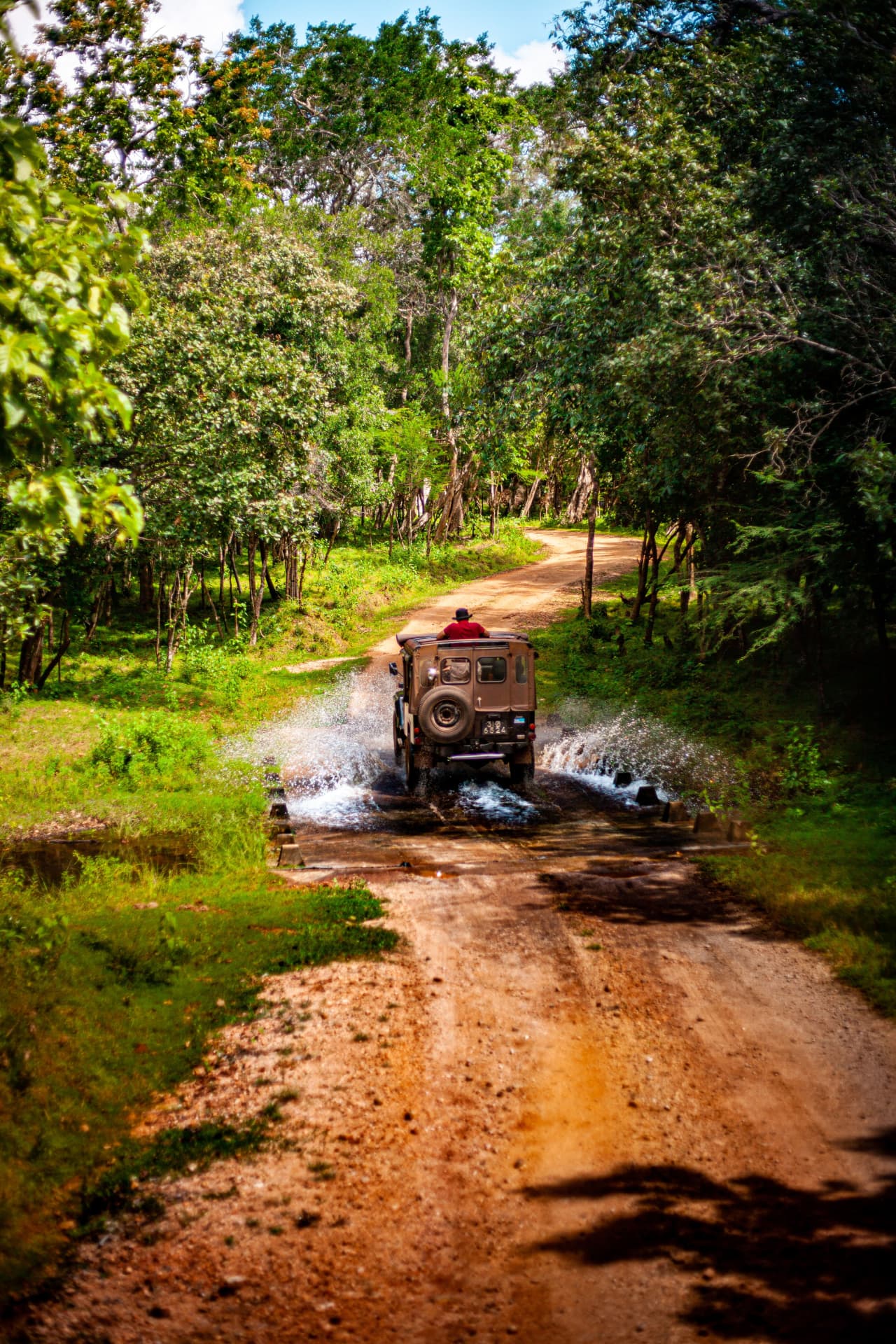
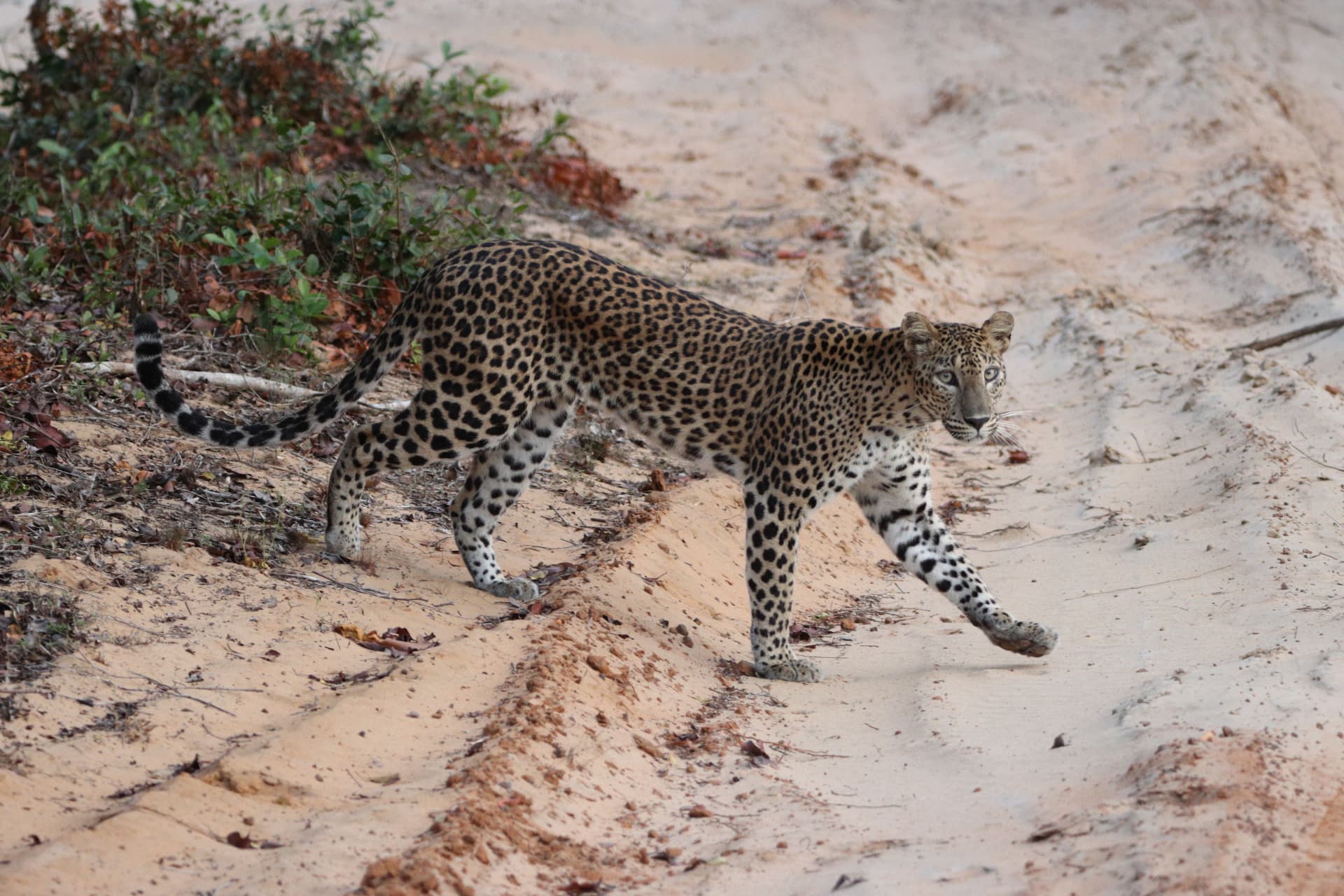
- A full morning safari drive, followed by a proper breakfast under the trees
- A slow midday of reading, swimming or resting through the heat
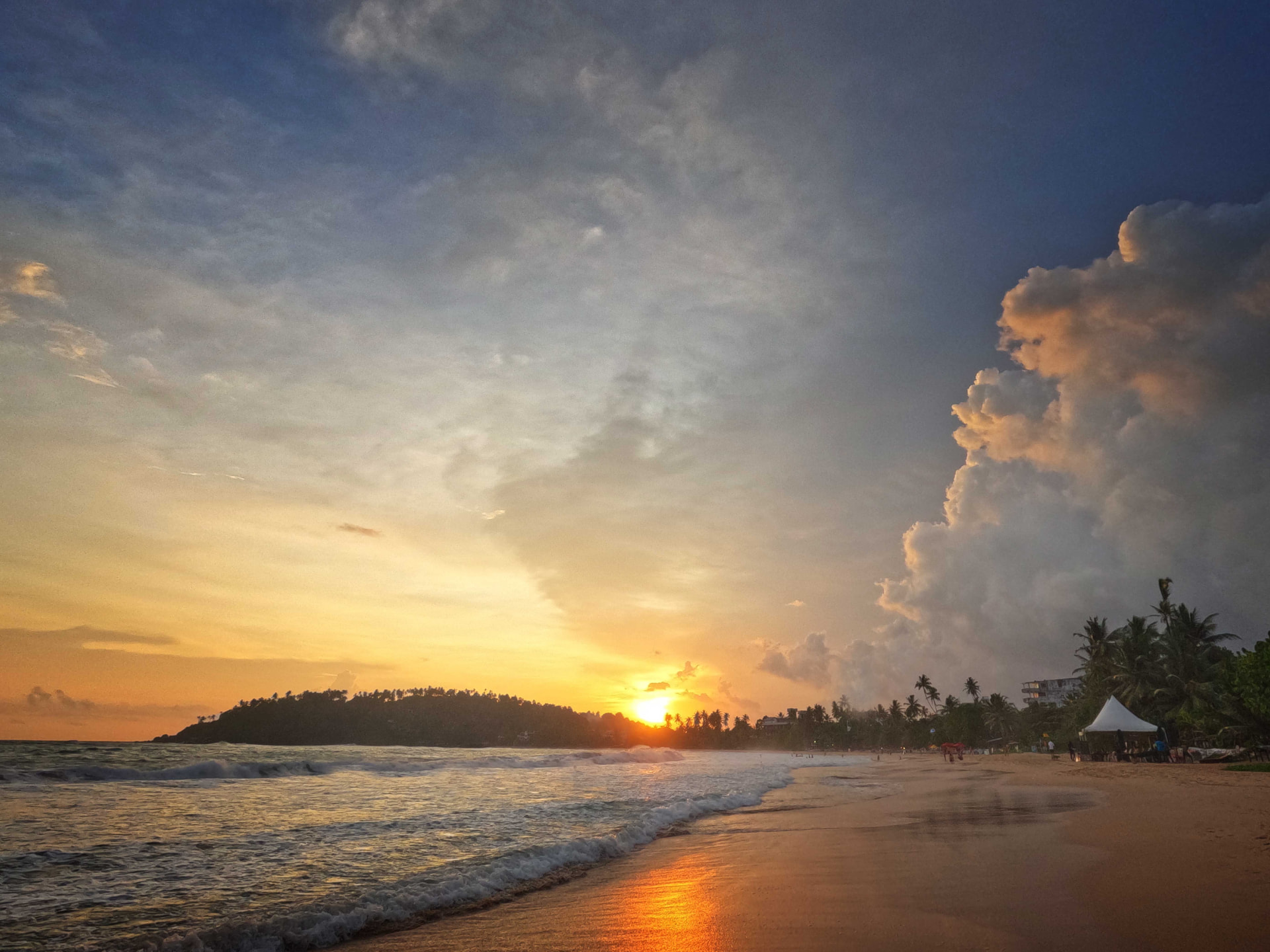
- A second afternoon drive, with tea and biscuits taken in the bush at sunset
How Long to Stay
One or two nights are usually sufficient to feel the full magic of a tented camp without the fatigue that can come with a longer stay in canvas accommodation, however luxurious. Many travelers pair a night or two at camp with a further night or two at a more conventional hotel nearby, balancing atmosphere with comfort.
Choosing the Right Camp
Several camps exist near Yala and Udawalawe at different price points, each with its own character and setting. We would be glad to talk through which suits your travel style and dates, and to help build a night or two of genuine wilderness into your wider itinerary.
Who a Tented Camp Suits Best
Camps of this kind suit travelers who want genuine immersion in the landscape rather than distance from it — those happy to hear the bush at night through canvas, rather than through a sealed glass window. Families with very young children, or travelers who value complete quiet for sleep, may prefer a conventional lodge nearby instead.
Practical Notes
Nights can be surprisingly cool even in a hot climate, so a light layer is worth packing. Camps are typically unfenced or lightly fenced, and guests are asked to be escorted after dark — a small but sensible precaution given the wildlife just beyond the tent walls.
Seasonal Considerations for a Camp Stay
The dry months from February to June tend to offer the clearest skies and the most comfortable evenings for dining under canvas, alongside the strongest concentration of wildlife around the park's remaining water sources. The wetter months are not without their own charm — the bush turns a deep green and afternoon storms can be dramatic viewed from a covered deck — but travelers seeking the most reliable weather for open-air dining should favour the earlier part of the year.
Common Mistakes First-Time Guests Make
A surprising number of guests underestimate how physically active a stay at a tented camp actually is — two safari drives a day, often starting before 5am, adds up over even a single night. Travelers arriving directly from a long-haul flight without any adjustment period sometimes find the pace more tiring than they expected. A second common oversight is packing only warm-weather clothing; pre-dawn drives in an open vehicle can feel genuinely cold, even close to the equator.
What a Private Itinerary Adds to the Experience
Because tented camps operate on a fixed daily rhythm of drives and meals, the value of a private arrangement lies mainly in what surrounds the stay itself — timing your arrival to catch a specific evening event, coordinating a private dinner setting away from the main fire pit for a special occasion, or arranging a slower transfer the following morning rather than an immediate onward drive after an early wake-up call. These small adjustments rarely change the camp experience itself, but they noticeably change how rested you feel afterwards.