Yala, Udawalawe, Wilpattu, Minneriya, Bundala — a curator's overview.
Sri Lanka's national parks pack an unusual range of habitats and species into a small area — leopard scrub, elephant grassland, wetland bird sanctuaries and rainforest, often only a short drive apart. Choosing between them is less about which is 'best' than which suits your interests and your itinerary.
The Leopard Park
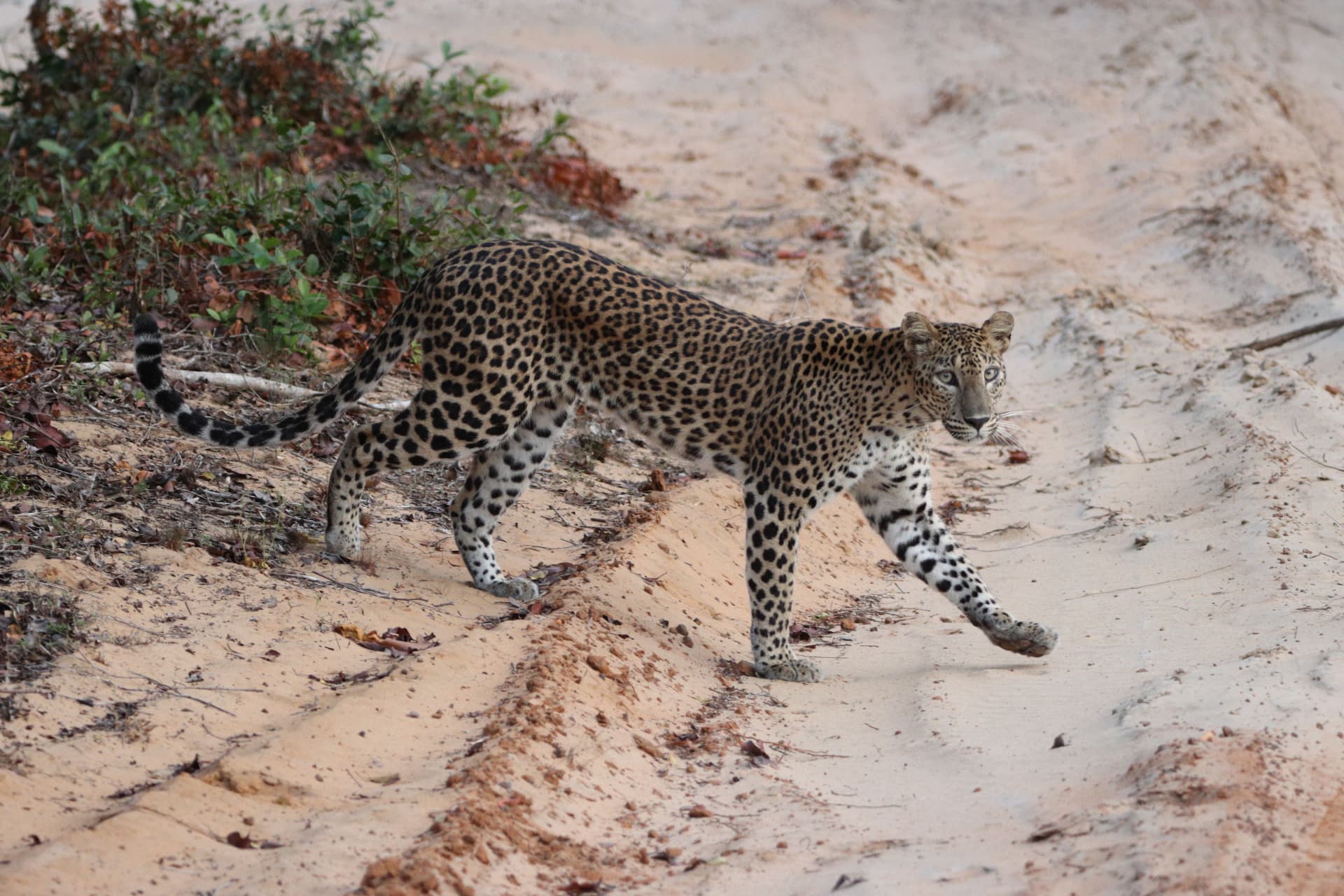
Yala, in the far south-east, holds one of the highest concentrations of leopards anywhere on earth, set against thorn scrub, rocky outcrops and lagoons that photograph beautifully in low light. It is also the most visited park on the island, so a good tracker who favours the quieter northern blocks makes a genuine difference to the experience.
The Elephant Park
Udawalawe, further north-west, is more open and more reliable for elephants — herds moving across grassland in the late afternoon, often at close range. Drives here are gentler and shorter, which makes the park a natural favourite for families and for travelers who prefer a calmer pace of viewing.
The Quiet Alternatives
- Wilpattu, in the north-west, offers genuine wilderness and strong leopard numbers with a fraction of Yala's crowds
- Minneriya and Kaudulla host 'The Gathering' each August and September, when hundreds of elephants converge on the receding tanks
- Bundala is a Ramsar-listed wetland, outstanding for migratory birds between September and March
- Sinharaja, technically a rainforest reserve rather than a park, rewards a slower, on-foot style of wildlife travel
Building a Combination
Most travelers pair two parks with contrasting characters over three or four nights — Yala with Udawalawe for leopard and elephant, or Wilpattu with Minneriya for a wilder, more seasonal circuit. A dedicated wildlife itinerary of a week or more can weave in three or four parks without ever feeling rushed, provided the driving distances are respected.
What Actually Determines a Good Safari
The single biggest variable is not the park but the tracker — his patience, his reading of animal behaviour, and his willingness to wait rather than chase. Early morning and late afternoon consistently outperform the midday heat, and a realistic expectation of sightings, rather than a guarantee, tends to produce the most satisfying days in the field.
If wildlife is the heart of your Sri Lanka trip, we would be glad to help design a route around the parks that matter most to you.
Timing Your Visit to Each Park
Each park has its own best months, and matching them properly makes a real difference. Yala's dry season from February to June concentrates animals around remaining water sources, while Udawalawe performs consistently well year-round. Minneriya's Gathering is strictly seasonal, tied to August and September rainfall patterns, so a visit outside that window will simply not deliver the same spectacle.
Practical Notes for First-Time Visitors
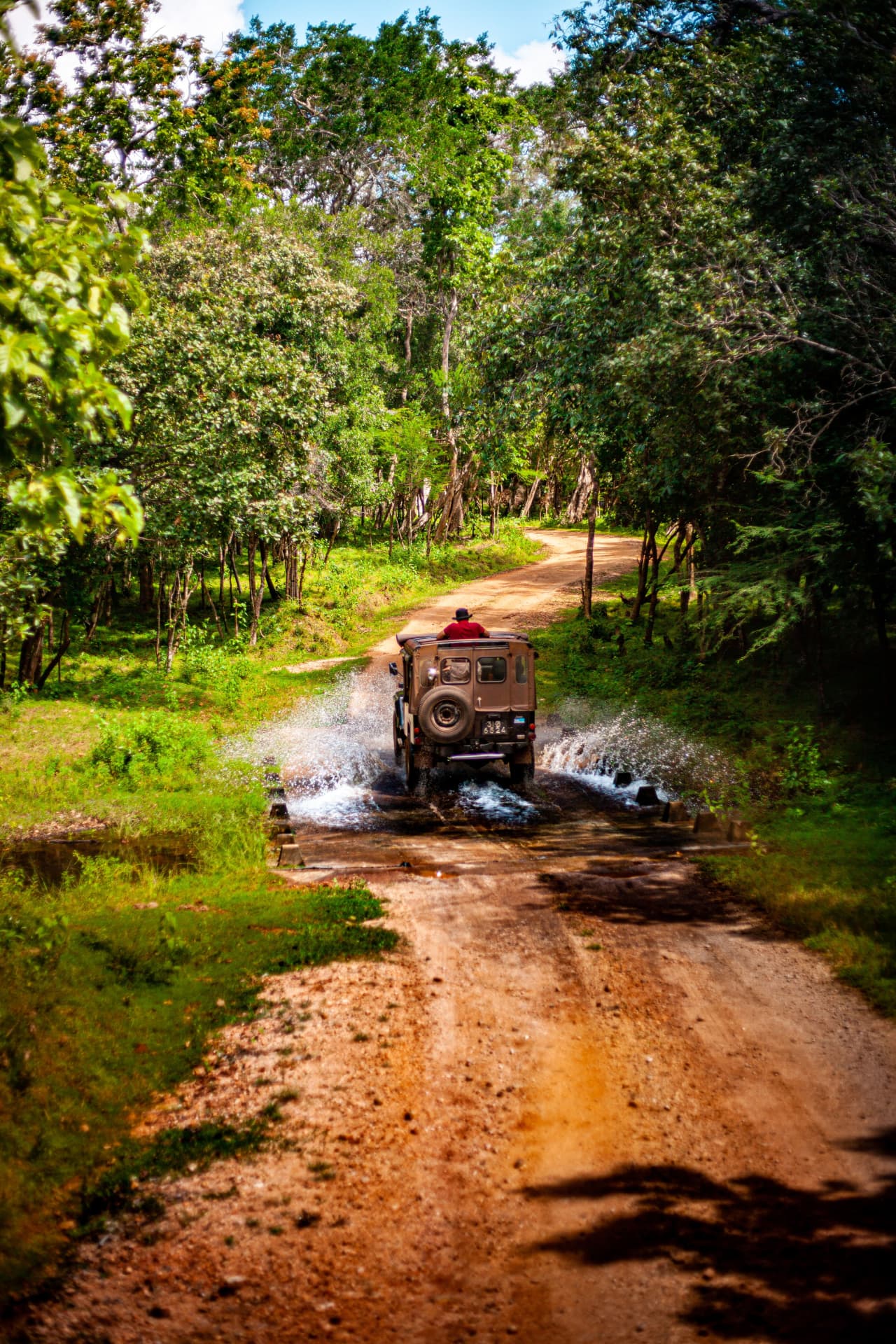
Morning drives typically begin before dawn, with a light breakfast eaten in the vehicle or brought back to camp afterwards. Dress in neutral colours, bring a hat and sun protection even for early starts, and pack a compact pair of binoculars rather than relying solely on a tracker's sighting calls. Vehicles can be dusty and uneven underfoot, so comfortable, closed footwear is worth the small inconvenience of packing it.
What a Private Wildlife Itinerary Changes
A standard group safari vehicle typically carries six to eight guests and follows a fixed schedule regardless of what is actually happening in the park that morning. A private vehicle can linger at a sighting for forty minutes rather than five, change direction the moment your tracker hears a warning call from a nearby troop of langurs, or simply turn back early on a quiet morning rather than grinding out the full allotted time. This flexibility, more than any single park choice, tends to be what separates a memorable safari from a merely pleasant one.
Common Mistakes First-Time Safari Travelers Make
- Booking only one safari drive per park, when a second drive at a different time of day often produces the better sighting
- Choosing the busiest entrance gate to save a few minutes' driving, rather than a quieter one further from the main road
- Underestimating how cold pre-dawn drives can feel in an open-sided jeep, even in a tropical country
- Assuming all trackers are interchangeable, when in practice the individual leading your vehicle matters more than almost any other variable
Seasonal Nuance Worth Knowing
Beyond the well-known dry-season concentration of animals around remaining waterholes, subtler patterns matter too — Yala's leopards are often more visible in the cooler early months of the year, while Bundala's wetland birdlife peaks with the arrival of migratory species from further north in the winter months. A specialist itinerary accounts for these smaller seasonal shifts rather than simply pointing you toward the most famous park regardless of timing.