How we think about ethics, sustainability and community in the travel we design.
Luxury travel and responsibility are not opposites, and in Sri Lanka the two are increasingly inseparable. The island is small, ecologically rich and culturally layered, and the small choices made about hotels, wildlife encounters and communities have real, visible consequences on the ground.
On Hotels
We favour properties that are locally owned, or that meaningfully employ and train staff from the surrounding villages. A number of the tea-country bungalows and coastal boutiques we recommend direct a real share of revenue into community projects — girls' education in the plantations, mangrove replanting on the coast, reef monitoring in the east. We are happy to share, honestly, which properties do what, when it matters to a traveler's choice.
On Wildlife
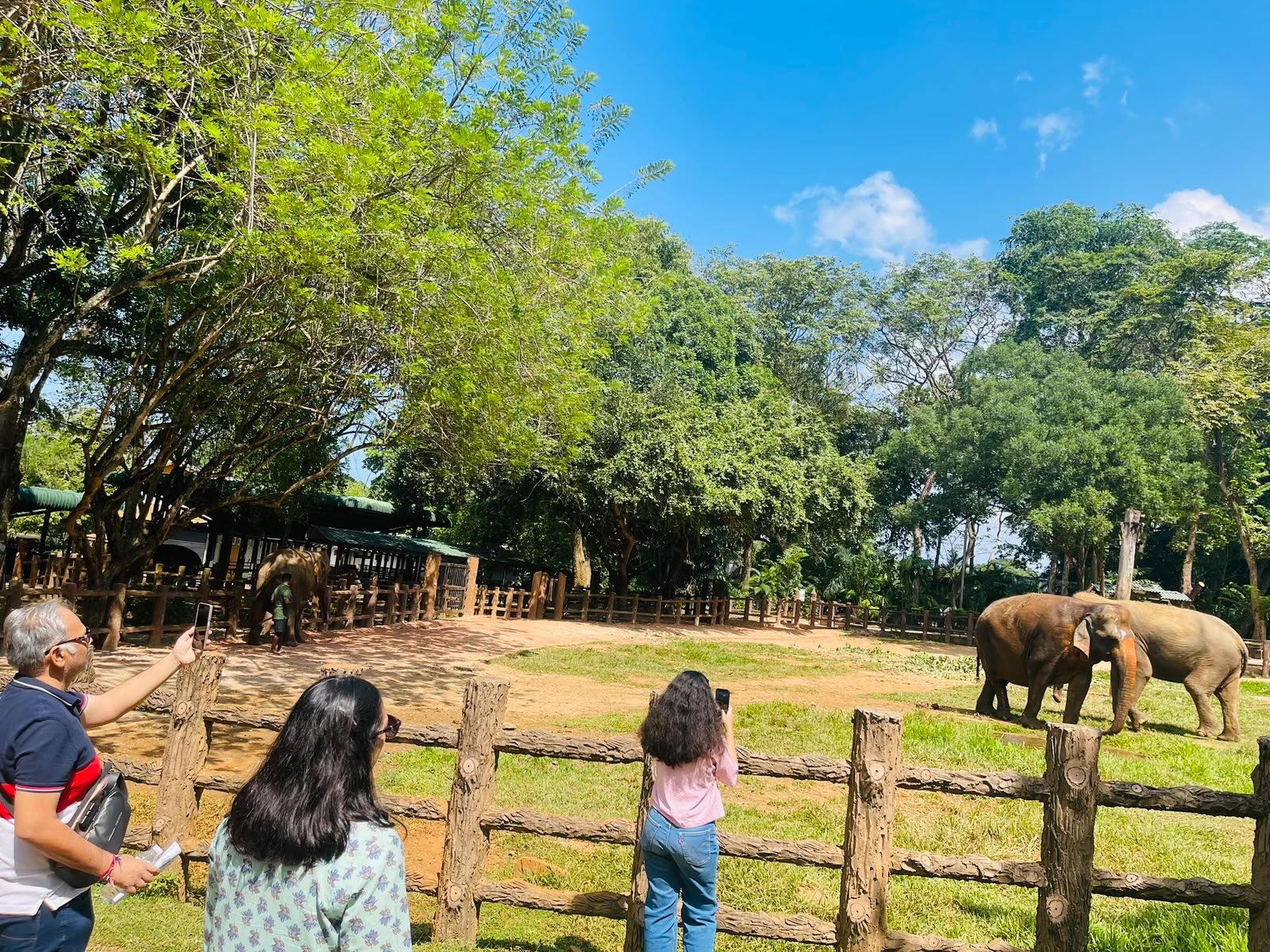
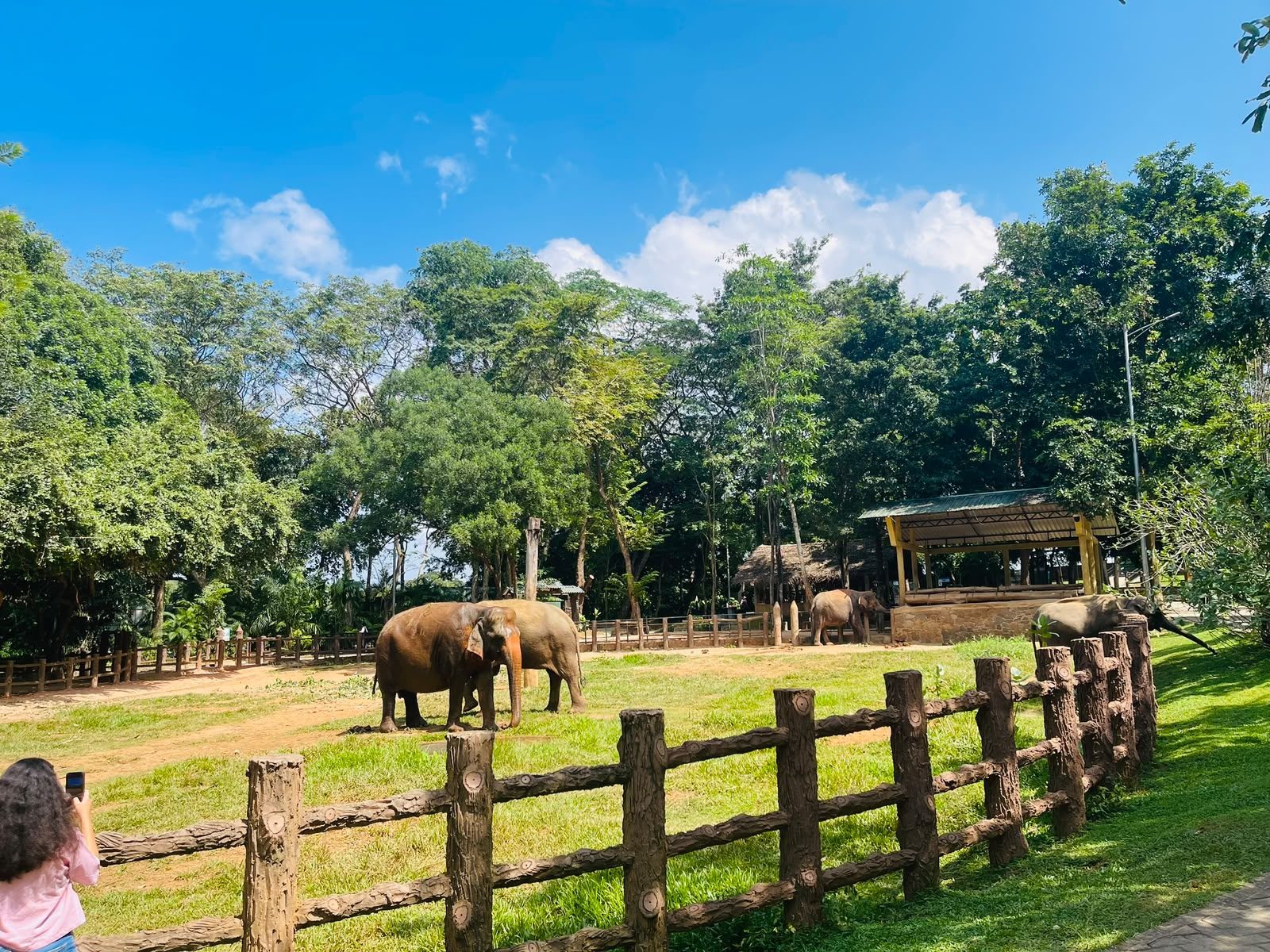
We do not offer any experience involving elephant riding, and we do not work with safari operators whose driving practices distress the animals they are meant to be showing. In whale-watching season, we use only operators who follow recognised proximity guidelines. In our national parks, we favour senior trackers who understand that patience, not pursuit, produces the finest sightings.
On Communities and Waste
- Refillable water bottles are provided in every vehicle rather than single-use plastic
- Hotels we work with are asked to phase out single-use plastics wherever possible
- Village visits are arranged with mutual respect, never staged as spectacle
- Local guides and specialists are engaged wherever their knowledge genuinely adds to the experience
On Carbon
International travel carries an unavoidable carbon footprint, and we do not pretend otherwise. Rather than greenwashing the issue, we try to help travelers understand it honestly and support meaningful offset projects for those who wish to.
A Discipline, Not a Badge
Responsible travel is not a marketing label to us — it is simply the discipline of doing this work well, in a country we care about deeply. If these questions matter to your own trip, we are glad to talk through the detail behind any recommendation we make.
Questions Worth Asking Any Operator
Travelers who care about these issues are entitled to ask direct questions — where hotel staff are recruited from, whether a wildlife encounter involves any physical contact with animals, how waste is managed on a multi-day tour. A credible operator should be able to answer plainly rather than offer a vague reassurance.
Small Choices That Add Up
Refusing a plastic bottle in favour of a refillable one, choosing a locally owned guesthouse over an international chain for one night, or simply asking a guide about the community he comes from — none of these choices is dramatic on its own, but together they shape the kind of tourism a country experiences over time.
Common Misconceptions Worth Addressing
A frequent misconception is that responsible travel and luxury travel pull in opposite directions — that avoiding elephant rides or favouring smaller, community-linked hotels means sacrificing comfort. In practice, the opposite is often true: the small, characterful properties we favour on these grounds are frequently the most memorable stays on an itinerary, precisely because the same attention to community and environment tends to show up in genuine hospitality and design as well.
What a Private Itinerary Changes Here
Group tours, by necessity, standardise their supplier list across every departure, which limits how responsive an operator can be to a specific traveler's ethical priorities. A private itinerary can be shaped from the outset around whichever issues matter most to you — perhaps a strong preference for locally owned properties throughout, or a specific interest in visiting a reef conservation project, or simply a wish to avoid any wildlife encounter involving physical contact. These preferences shape our recommendations from the very first draft rather than being bolted on afterwards.
Seasonal Considerations for Wildlife Encounters
Responsible wildlife viewing has its own seasonal dimension. Whale-watching operators who follow strict proximity guidelines are easiest to identify and book during the established Mirissa season from November to April and the Trincomalee season from April to July; outside these windows, fewer credible operators run trips at all, which itself is a useful signal of which outfits are seasonally opportunistic rather than genuinely committed to the practice.