Sri Lanka's last major stretch of lowland rainforest, and one of its most rewarding wild experiences.
Sinharaja is Sri Lanka's last major stretch of primary lowland rainforest — a UNESCO World Heritage Site, a Biosphere Reserve, and one of the richest concentrations of endemic species anywhere in South Asia. For travelers with a genuine interest in wildlife and wild places, it is among the finest chapters a Sri Lankan itinerary can include.
A Forest Unlike Any Park
Sinharaja is thick, wet and unceasingly alive. More than 60 per cent of its trees, half of its butterflies and over twenty of its bird species are found nowhere else on earth. Mixed-species bird-feeding flocks — one of the great ornithological phenomena of the tropics — form spontaneously through the day, and a skilled guide can sometimes conjure ten or fifteen endemics before lunch: red-faced malkoha, Sri Lanka blue magpie, green-billed coucal, ashy-headed laughingthrush among them.
Making the Most of a Visit
Stay at least two nights, ideally at a small eco-lodge on the edge of the reserve rather than attempting a day trip. Walks are guided and taken slowly, often producing as many amphibians, reptiles and butterflies as birds along the way.
After Dark
A separate night walk reveals an entirely different forest — glowing fungi, endemic frogs, tarantulas, and the occasional slender loris caught briefly in torchlight. It is a quieter, stranger experience than the daytime walks, and well worth the early night's sleep it costs you.
What to Bring
- Leech socks, genuinely useful rather than optional
- Lightweight, quick-drying layers for the humidity
- A torch with spare batteries for the night walk
- Binoculars, ideally your own rather than borrowed
A Different Kind of Wildlife Chapter
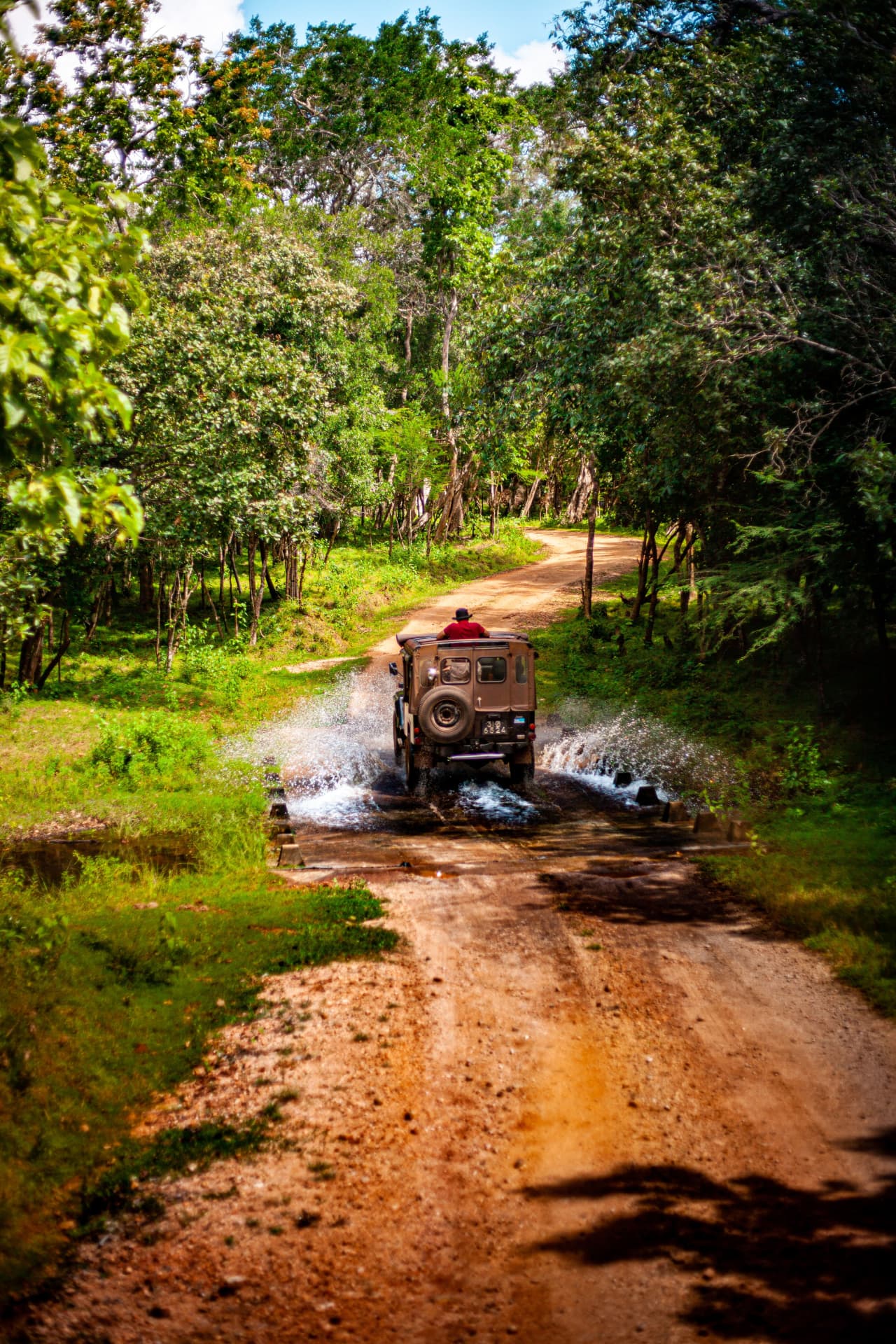
Sinharaja is not a wildlife park in the safari sense — there are no jeeps, no marquee mammals, no guaranteed sighting list. It is quieter, denser and slower than that, and its rewards belong to travelers willing to walk rather than drive.
If a rainforest chapter appeals, we would be glad to help build a visit to Sinharaja into your wider Sri Lanka itinerary.
Choosing the Right Season
Sinharaja receives rain throughout the year, but the driest and most comfortable months tend to fall between January and April and again in August. Even in the wetter months, mornings often begin clear, with rain arriving predictably in the afternoon — a pattern experienced guides plan walks around.
Combining Sinharaja With the Rest of Your Trip
The reserve sits within reach of both the south coast and the hill country, making it a natural addition to either a beach-based or tea-country itinerary, provided the connecting drive is factored into your overall pacing rather than treated as an afterthought.
Common Mistakes Travelers Make
A frequent misjudgement is visiting Sinharaja as a rushed half-day add-on between other destinations, arriving mid-morning once the best bird activity has already quietened and departing before the late-afternoon flocks reform. Guides consistently report that visitors who stay overnight nearby and walk at first light see dramatically more than those attempting the reserve as a lunchtime detour. A second common error is arriving without any wet-weather preparation on the assumption that a 'dry' month guarantees a dry day — rainforest weather is inherently unpredictable, whatever the season's general pattern suggests.
What a Private Guide Adds Here
The difference between a general driver-guide and a dedicated Sinharaja naturalist is considerable. Endemic bird identification by call alone, understanding where a mixed-species flock is likely to pass at a given hour, and simply knowing the network of trails well enough to avoid the busiest sections during peak visiting times — all of this depends on genuine specialist knowledge rather than general tourism experience. We work with a small number of naturalists based at the reserve's edge specifically for this reason.
Extending Your Time in the Forest
For travelers with a serious interest in birding or photography, a single two-night stay can be extended into three or four, allowing repeat visits to the same trail sections at different times of day and under different weather, which experienced naturalists say produces markedly better sightings than a single pass however early it begins. This slower, repeated approach suits Sinharaja's character far better than the single dramatic visit that works well at a site like Sigiriya.