In the northern summer, the east coast is where Sri Lanka's best beach travel happens.
Between May and September, when the south-west monsoon settles over the Galle-to-Tangalle coast, the finest beach weather in Sri Lanka shifts decisively to the east. This is the season for Trincomalee, Nilaveli and Uppuveli — a quieter, less-visited coast that rewards travelers willing to look beyond the classic southern circuit.
A Harbour Town With Deep History
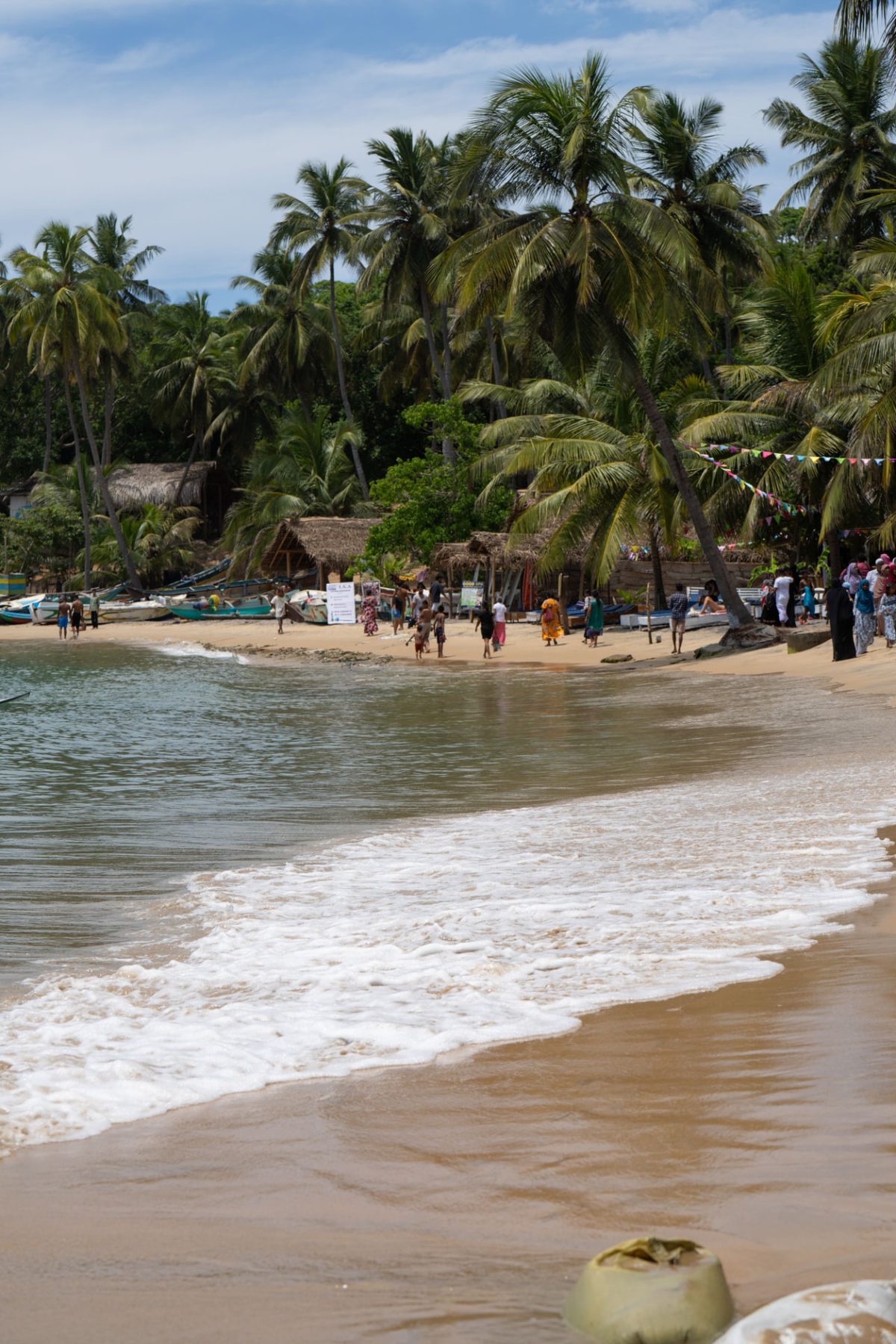
Trincomalee itself is a working harbour with a long colonial and naval history and a striking Hindu temple perched on Swami Rock, its sea-facing cliff one of the most atmospheric viewpoints on the island. Most visitors, though, stay a short drive north at Uppuveli or Nilaveli, where a small number of boutique hotels and villas sit directly on the sand.
Life Beneath the Surface
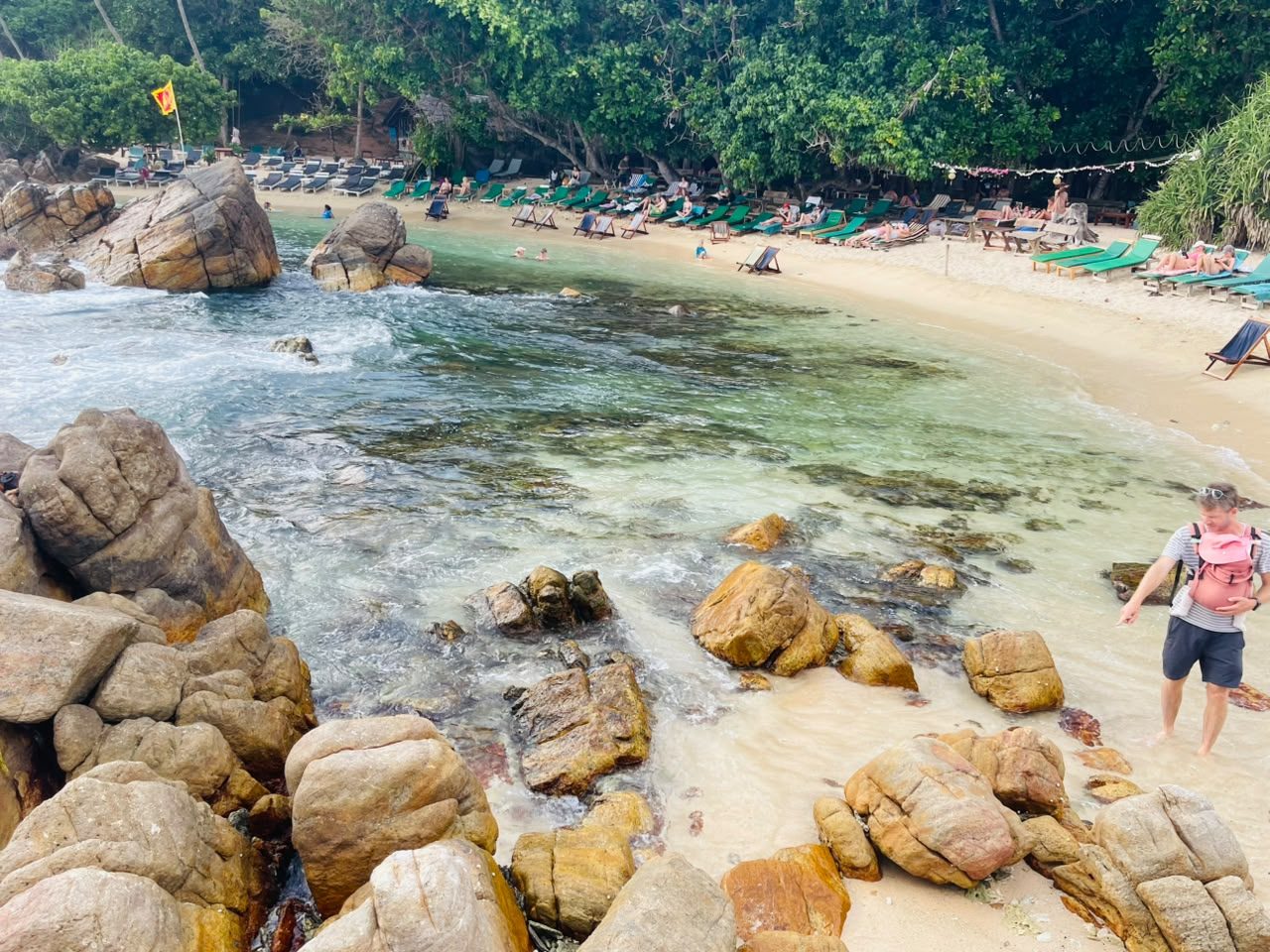
Just offshore, Pigeon Island's national park offers vibrant coral, reef sharks and turtles, reached by a five-minute boat ride and best explored early in the morning before the light flattens. Serious divers can reach the wrecks of HMS Hermes and SS Athenic, along with the reefs around Great Basses further south — a very different diving proposition from the west coast.
Whales in Reverse Season
Whale watching here runs opposite to Mirissa's season: April to July brings blue whales along the eastern shelf, typically with far fewer boats sharing the sighting. It is a quieter, less commercial version of an experience many travelers assume only exists in the south.
Building the East Into an Itinerary
- Base for three to five nights around Uppuveli or Nilaveli
- Combine with the Cultural Triangle for a complete summer-season route
- Add a Pigeon Island snorkel or dive early in the stay, before winds pick up
- Treat Trincomalee town itself as a half-day rather than a full base
A Different Side of the Island
For travelers who have already experienced the south coast, the east offers a genuinely different mood — wilder, quieter, and largely free of the crowds that gather further south in high season.
If your dates fall in the northern summer, we would be glad to help you plan around this quieter, beautifully timed coast.
Getting There Comfortably
The drive from Colombo takes around five to six hours, which is why most travelers combine the east coast with the Cultural Triangle rather than treating it as a stand-alone trip. A stop at Sigiriya or Dambulla en route breaks the journey naturally and avoids an unnecessarily long single transfer.
A Note on Development
Trincomalee's coastline has developed more slowly than the south, and infrastructure remains lighter in places — part of its appeal, though it does mean choosing accommodation carefully, since standards vary more here than along the well-established southern circuit.
Common Mistakes Travelers Make Planning the East
The most frequent error is treating Trincomalee as a simple substitute for the south coast rather than a genuinely different kind of destination — infrastructure is lighter, some roads are rougher, and the choice of really excellent hotels, while growing, remains smaller than in the well-established south. Travelers who arrive expecting an identical experience to Mirissa or Galle, only quieter, are sometimes surprised by how much more rural and unpolished parts of the coastline still feel, which for most visitors is precisely the appeal rather than a drawback.
What a Private Itinerary Changes on This Coast
Because distances between good properties can be greater here than in the south, and because the long drive from Colombo is unavoidable however it is routed, a private itinerary earns its value chiefly in the sequencing — breaking the journey with a proper stop at Sigiriya or Dambulla, timing the drive to avoid the worst of the midday heat, and building in enough nights at the coast itself to justify the distance travelled to reach it. A rushed one- or two-night stay rarely does the east justice; three nights minimum tends to be the point at which the investment of the journey pays off.
Seasonal Nuance Beyond the Headline Months
While June to September is rightly considered the core season, April and early May can offer a genuinely lovely transitional window — the seas are calming after the northern winter's rougher weather, hotels are still quiet, and rates are typically at their most favourable of the year. October, by contrast, sees conditions deteriorate quickly as the north-east monsoon approaches, making it the one month we would actively steer most travelers away from on this coast.