Sri Lanka has two monsoons and two coasts. A month-by-month guide to timing safaris, beaches and the hills for the finest weather.
Because Sri Lanka sits at the meeting point of two monsoon systems, its travel calendar is more nuanced than most guidebooks admit. The good news is that there is almost always somewhere on the island in its finest weather — the trick is knowing which coast, and when.
Understanding the Two Monsoons
The south-west monsoon runs from roughly May to September and brings rain to the west and south coasts and the central hills. The north-east monsoon runs from October to January and brings wetter weather to the east and north. Between them, two short 'inter-monsoon' windows in April and October can produce brief afternoon thunderstorms almost anywhere on the island — usually short, dramatic and quickly passed.
The Classical High Season
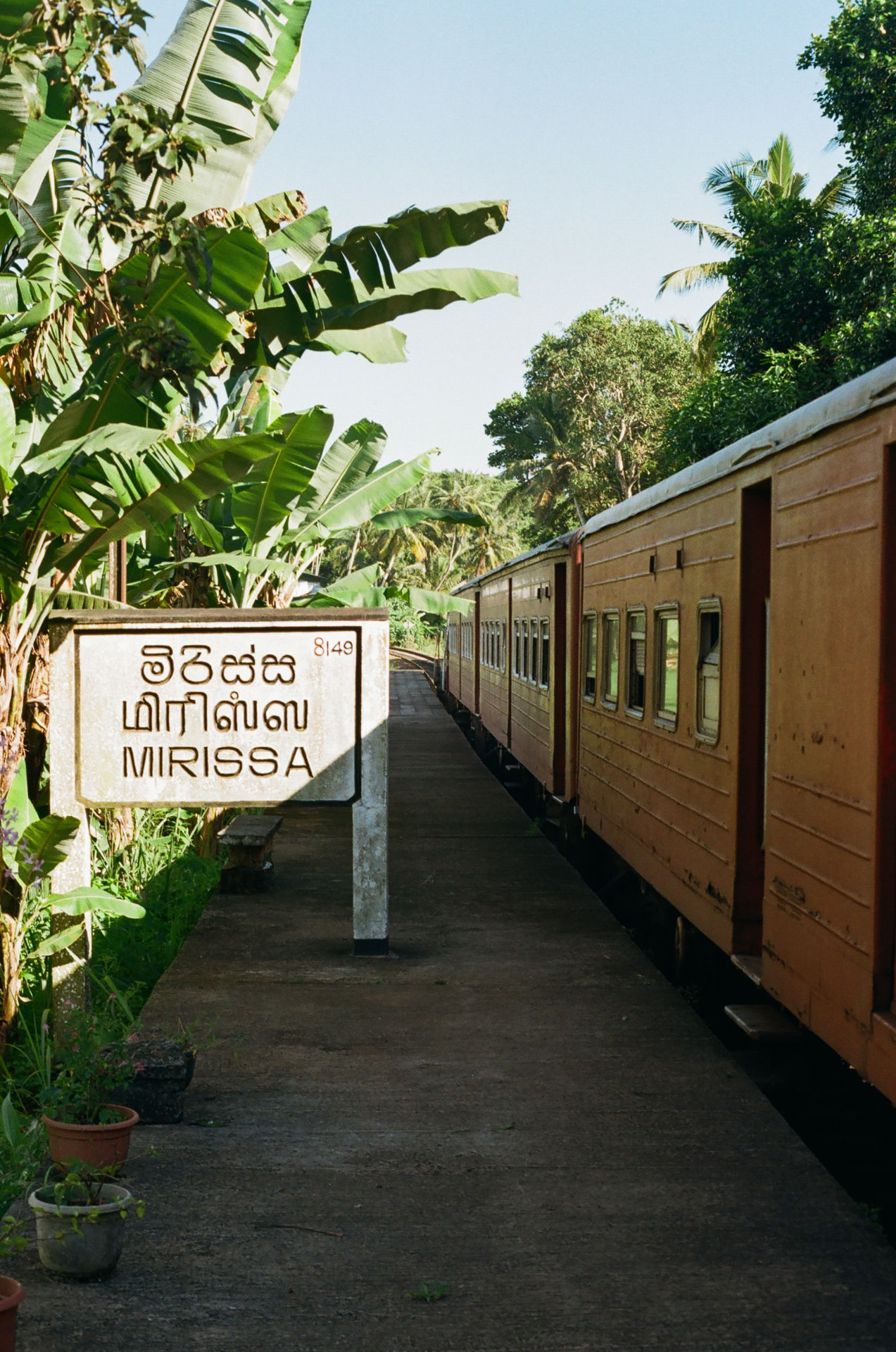
For most travelers, the classical high season is December through March. This is when the west, south and cultural regions enjoy their driest, most reliable weather — perfect for a Sigiriya climb, a Yala safari, and beach days along the Mirissa–Tangalle stretch. Roads are at their busiest in these months too, so booking well ahead for hotels and the highland train is worthwhile.
The East Coast Advantage
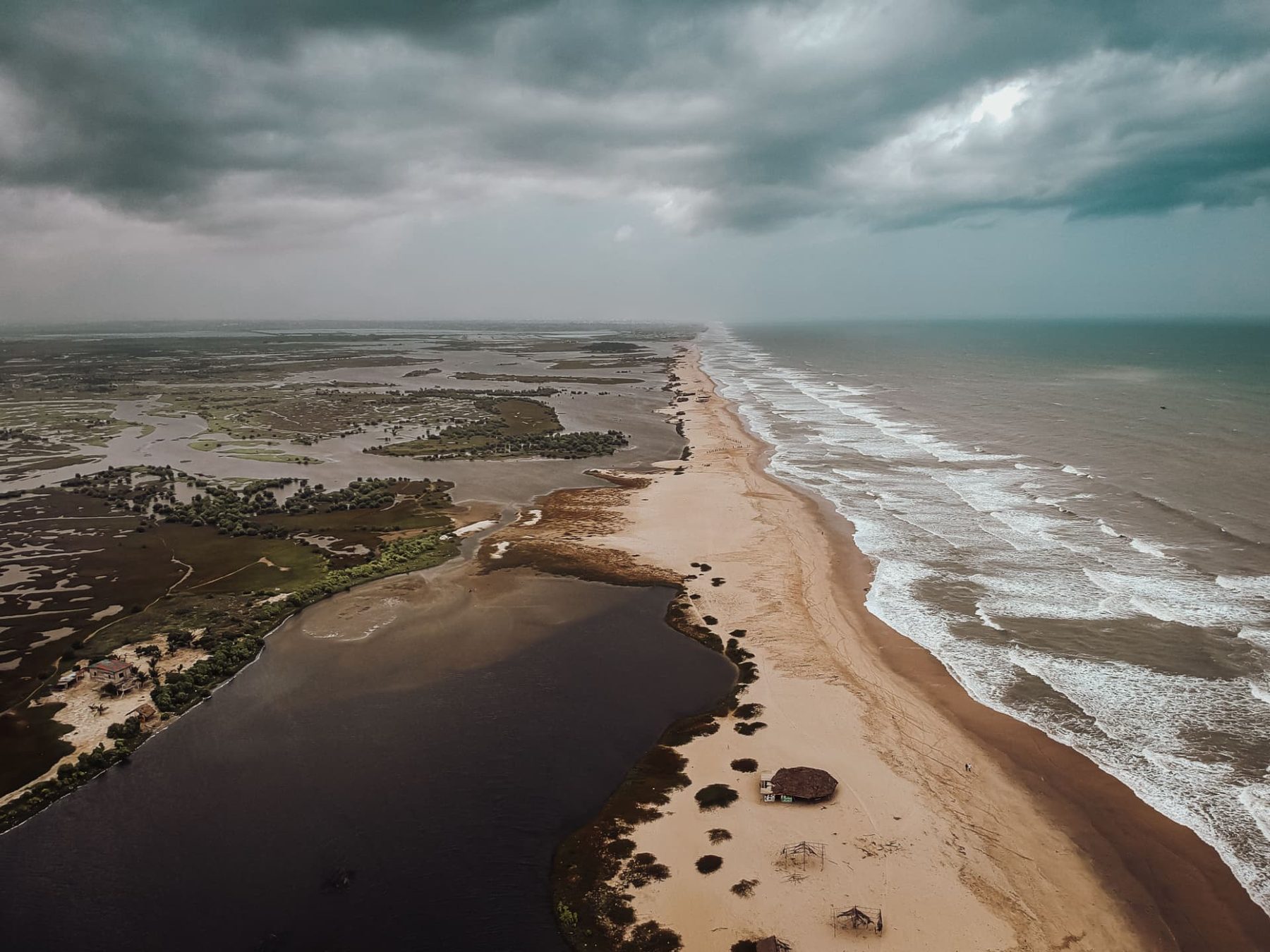
Between June and September, the calculus flips: the east coast around Trincomalee, Passikudah and Nilaveli enters its finest window, with glass-flat seas ideal for snorkelling and diving. Many travelers overlook this season entirely, assuming Sri Lanka is universally wet in the northern summer — in fact, this is precisely when the east coast comes alive, and hotels there are notably quieter.
The Hill Country Year-Round
The hill country deserves its own note. Nuwara Eliya and Ella are pleasant year-round, though January to March offers the clearest morning light for photography and the coolest evenings for a fire in a planter's bungalow. Rainfall in the hills is frequent but rarely lingers for a whole day, and mist-wrapped mornings are part of the region's character rather than a deterrent.
Month by Month Through the Year
January — The heart of the southern season. Dry, bright days along the west and south coasts, cool nights in the highlands, and excellent conditions for the Cultural Triangle. Yala is comfortably dry and leopard sightings are reliable as animals gather near shrinking waterholes.
February — Statistically the driest month across the south and west, and the pick of the year for beach stays between Bentota and Tangalle. Whale watching off Mirissa is at its most dependable, with calm morning seas.
March — Still dry in the south, and increasingly warm. One of the finest months for Yala and Udawalawe as the dry season deepens. Hill-country mornings are clear before the afternoon haze builds.
April — The inter-monsoon transition, with short, heavy afternoon storms possible almost anywhere. It is also the month of the Sinhala and Tamil New Year, when the island is at its most festive and family-centred. Beaches on both coasts are usable; expect humidity.
May — The south-west monsoon arrives. Rain becomes frequent on the west and south coasts and in the hills, while the east begins to dry out. Yala traditionally closes for part of September, but May remains a workable safari month early in the day.
June — The east coast steps forward: Trincomalee, Nilaveli and Passikudah settle into flat, clear seas ideal for snorkelling and diving. The Cultural Triangle stays largely dry, since it sits in the island's rain shadow.
July — Peak east-coast season and the month of the Esala Perahera preparations in Kandy. Southern beaches are rough and often unswimmable; northern Sri Lanka and Jaffna are at their best.
August — The Kandy Esala Perahera reaches its climax, one of Asia's great processions. The east remains excellent, and Wilpattu offers strong wildlife viewing with far fewer vehicles than Yala.
September — A quiet, good-value month. The east is still fine early in the month; Yala's main block traditionally closes for annual maintenance, so we route safaris to Udawalawe or Wilpattu instead.
October — The second inter-monsoon, and the wettest, least predictable month island-wide. Best suited to travelers who prioritise empty sites and lower rates over guaranteed sunshine.
November — Conditions begin turning in the south's favour late in the month, while the east enters its monsoon. A transitional month that rewards flexible itineraries built around the Cultural Triangle and hills.
December — The southern season opens properly. Skies clear along the west and south, whale-watching boats resume from Mirissa, and Yala returns to full form. Book early; this is the busiest fortnight of the year on the island.
Building a Season-Proof Itinerary
Whichever dates you have in mind, our planners will tell you honestly what to expect and shape the route so weather always plays in your favour rather than against it. A single trip can, with the right sequencing, capture a dry Cultural Triangle, a cool and clear hill country, and a coast timed to whichever side of the island is having its finest month. That flexibility, more than any fixed rule about 'best months', is what makes Sri Lanka such a rewarding year-round destination.