The two monsoons of Sri Lanka — and why the island is a year-round destination.
Sri Lanka's climate is often misunderstood by travelers expecting a single wet season, as most tropical destinations have. In reality, the island experiences two distinct monsoons affecting opposite coasts at different times of year — which is precisely what makes it such a rewarding year-round destination, provided you travel to the right coast at the right moment.
The Two Monsoon Systems
The south-west monsoon, locally known as the Yala monsoon, runs from roughly May to September and brings rain to the western and southern coasts and the central hills. During these months it is worth avoiding the Galle-to-Tangalle beach corridor and heading east instead. The north-east monsoon, or Maha monsoon, runs from October to January and brings wetter weather to the eastern and northern regions in turn.
The Inter-Monsoon Windows
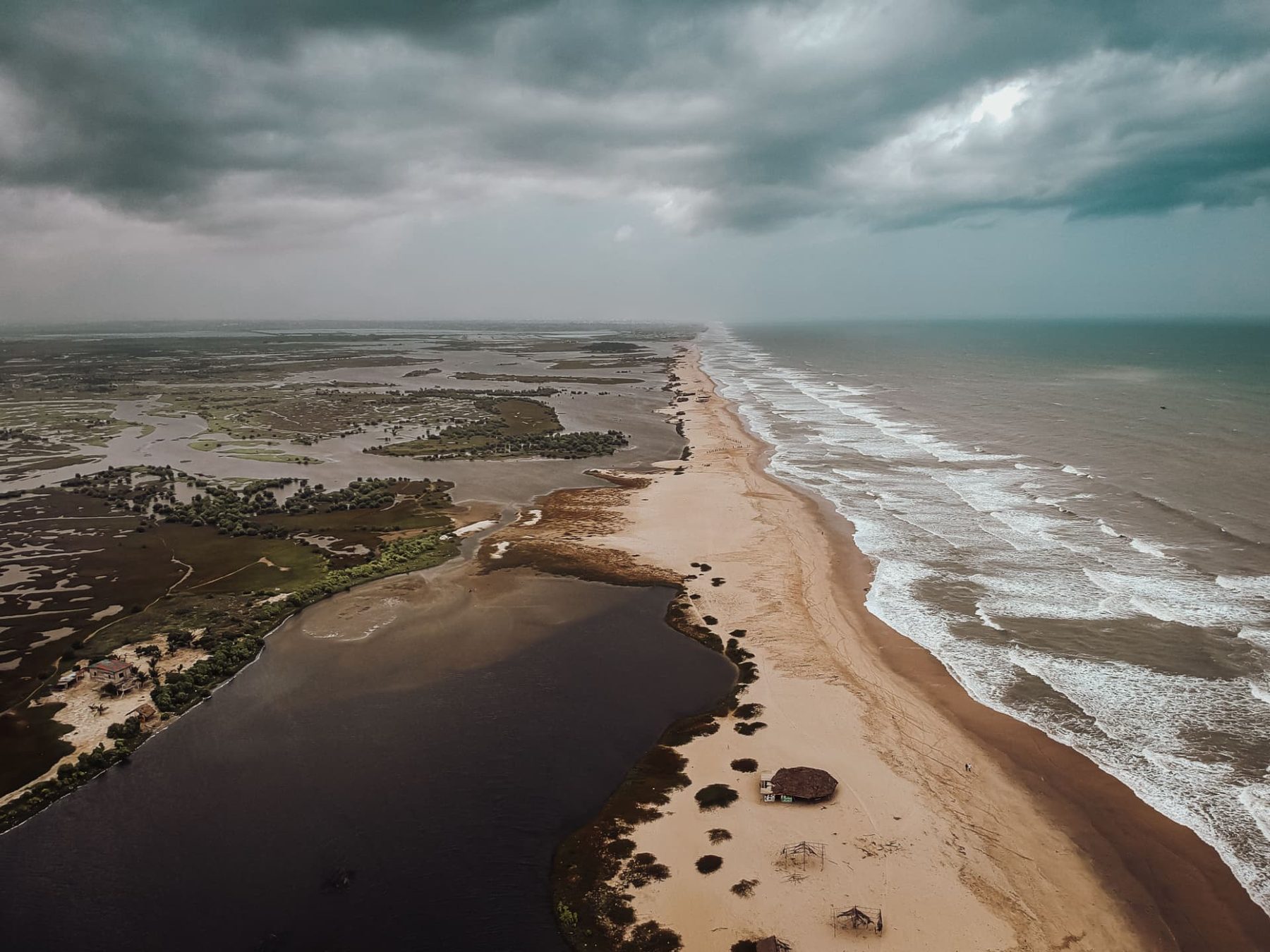
Between the two systems lie shorter transitional windows, roughly March to April and October to November, when brief but often dramatic afternoon thunderstorms can occur almost anywhere on the island, typically followed by clear evenings. These shoulder seasons can be wonderful to travel in — fewer visitors, greener landscapes, and frequently the finest quality of light for photography.
The Classical High Season
December through March remains the classical high season for the west, south and Cultural Triangle regions, offering the most consistently dry and reliable weather for the most popular circuit on the island.
The Eastern Advantage
- June to September brings the finest window to Trincomalee and the east coast
- Seas turn glass-flat, ideal for diving and snorkelling
- Hotels in the east are markedly quieter than their southern counterparts in the same months
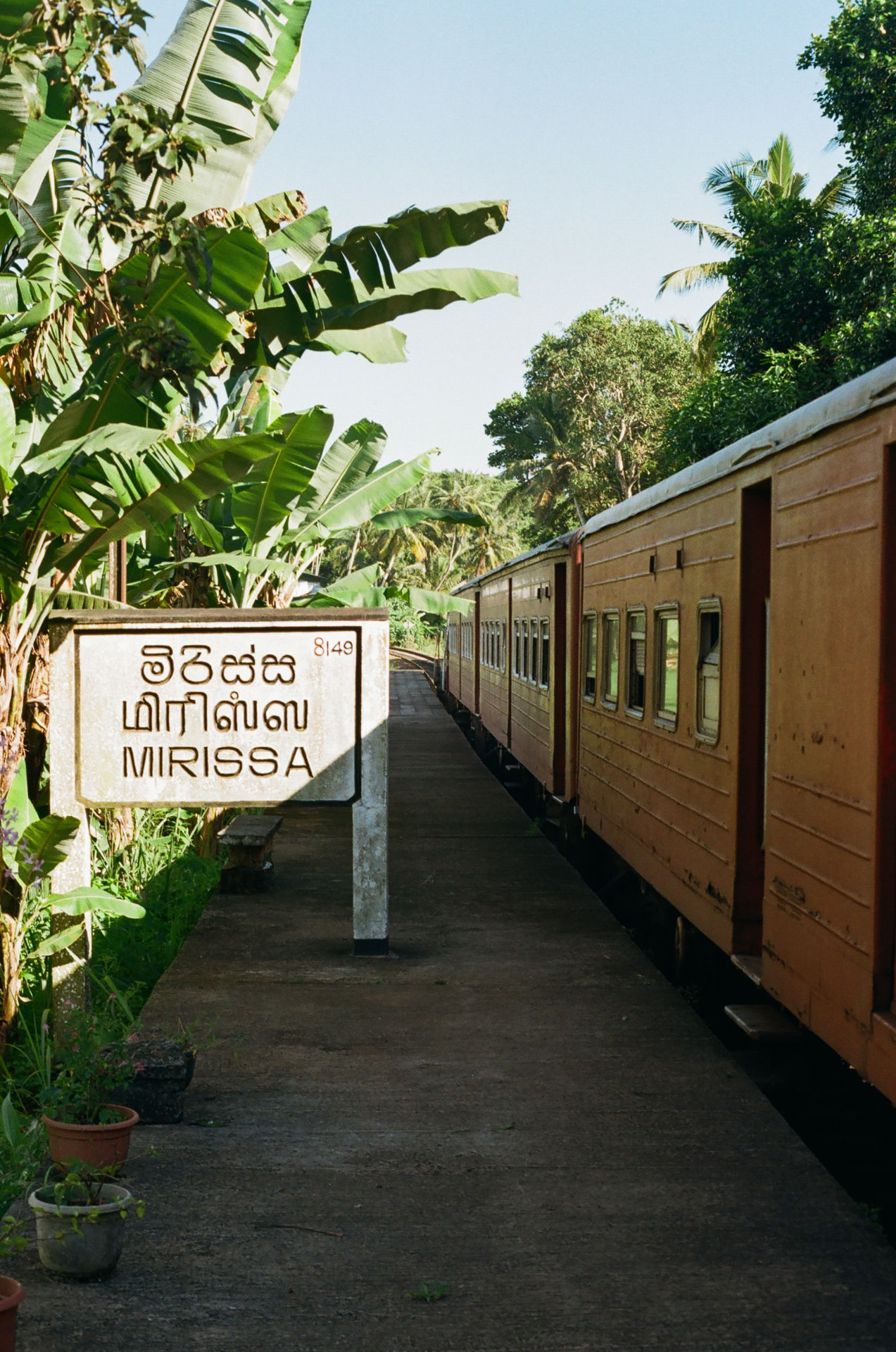
- Whale watching shifts to this coast in reverse season to Mirissa
Planning Around the Weather
In practice, most well-designed Sri Lanka itineraries can be shaped around almost any travel dates — the trick lies in choosing the right coast for the right month, which is exactly where a specialist planner earns their keep.
If you already have travel dates in mind, we would be glad to help shape a route that plays to the season rather than against it.
Reading Local Forecasts
Because Sri Lanka's weather is genuinely regional rather than national, a national forecast is of limited use for planning. Checking conditions for the specific district you are visiting, ideally a few days ahead rather than weeks, gives a far more accurate picture of what to expect.
What Rain Actually Looks Like in Practice
Even in the wetter months, rainfall on the island is rarely an all-day event. Showers tend to arrive in concentrated bursts, often in the afternoon, followed by clear skies — which is why even a monsoon-season visit to the 'wrong' coast is rarely a washout, simply a slightly different kind of day.
Common Mistakes Travelers Make With Sri Lanka's Weather
A frequent error is checking only a general national forecast a month or more ahead and drawing conclusions from it, when Sri Lanka's weather is genuinely local rather than national — a dry, sunny week in Kandy tells you almost nothing about conditions in Galle at the same time. Another common mistake is avoiding the island entirely during a 'monsoon' month without realising that only one coast is actually affected, missing an excellent opportunity to visit the other side of the country in its finest season.
What a Private Itinerary Changes About Weather Risk
Because a private itinerary can be adjusted right up until departure, and in some cases even during the trip itself, weather risk can be actively managed rather than simply hoped around. If a particular week turns unexpectedly wet in one region, the order of an itinerary's chapters can sometimes be swapped — bringing forward a coastal stretch and delaying a hill-country visit, for instance — in a way that a fixed group tour departure could never accommodate.
Reading the Shoulder Seasons Correctly
The inter-monsoon windows in April and October deserve a more nuanced reputation than they typically receive. Rather than uniformly unreliable, they tend to bring short, intense afternoon storms that clear quickly, often followed by some of the clearest evening light of the year — genuinely excellent conditions for photography, and increasingly popular among travelers who value quieter hotels and lower rates over an absolute guarantee of dry skies.